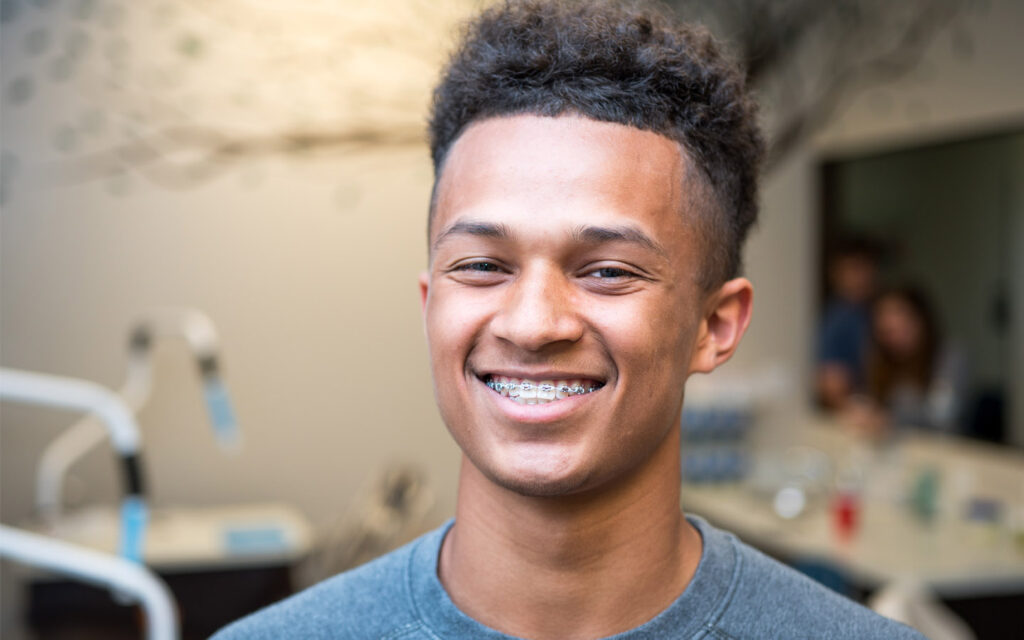

Thinking about straightening your teeth but worried you missed your window? You didn’t. Braces for adults are common, and the answer to “is it too late?” is almost always no. Adults of all ages can straighten their smile, correct bite issues and improve long-term oral health with the right treatment plan.
Is It Ever Too Late to Get Braces as an Adult?
No. There’s no age limit on braces for healthy adults. As long as your teeth, gums and jawbone are healthy, orthodontic treatment can work at virtually any age. Your health, not the number on your birthday card, decides whether braces are a fit.
Orthodontists regularly treat patients in their 40s, 50s, 60s and beyond. Discreet options like clear braces and clear aligners have made it much easier for adults to say yes to treatment without feeling self-conscious about it.
The reason age matters so little is simple. Teeth respond to steady pressure throughout life. The bone around them remodels, teeth shift into new positions and those positions hold with proper retention. If you’ve been putting off treatment because you thought you aged out, a consultation will tell you what’s actually possible for your smile.
How Adult Braces Work (and Why They’re Different from Kids’)
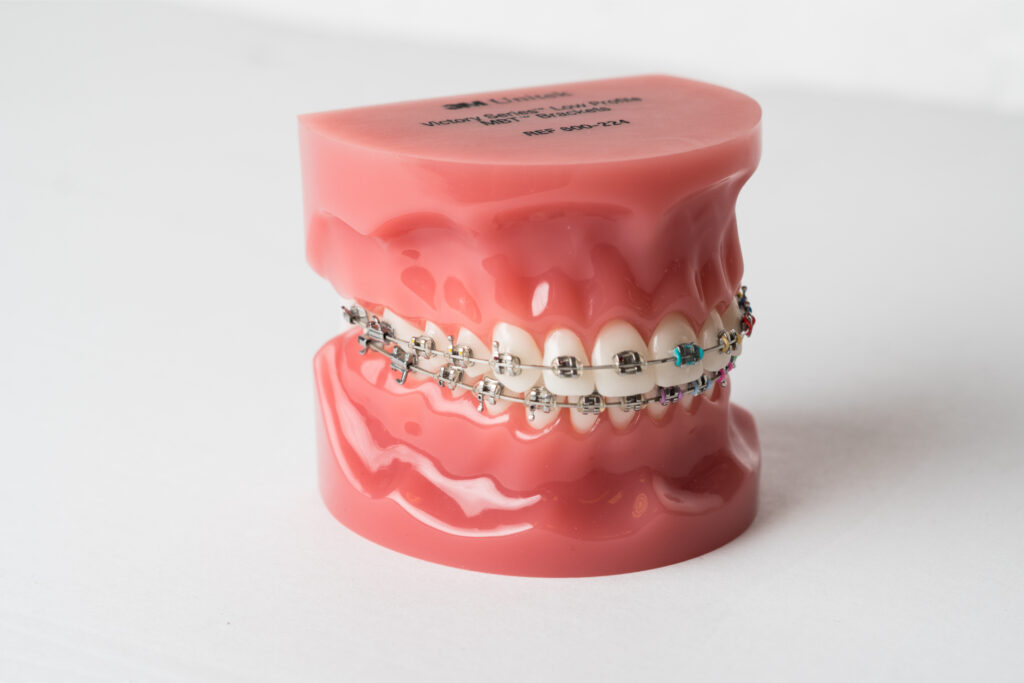
Braces work by applying gentle, consistent pressure to your teeth. Brackets and wires or clear aligners nudge each tooth toward its new position, and the surrounding bone remodels to hold it there. The biology is the same whether you’re 14 or 54.
So what’s different for adults? A few things.
- Mature bone. Adult jawbone is denser than a growing teenager’s, so teeth often move more slowly.
- Longer treatment times. Many adults wear braces or aligners for 18 months to 3 years, depending on how complex the case is.
- Existing dental work. Crowns, bridges, implants and fillings all need to be planned around.
- Habits that affect progress. Clenching, grinding or tongue thrusting can slow movement or shift results after treatment.
- No growth to work with. Orthodontists can’t guide jaw growth in adults the way they can in kids, so some bite corrections may need help from an oral surgeon.
At Smile Makers Orthodontics, Dr. Bryan Hsu, DDS, MS, plans adult treatment around all of this, from the dental work you already have to the habits that could affect your results.
Benefits of Getting Braces as an Adult
Straightening your teeth as an adult pays off well beyond how your smile looks.
- Easier cleaning and better oral health. Straight teeth are simpler to brush and floss, which means less plaque buildup and a lower risk of cavities and gum disease over time.
- Relief from bite problems. A misaligned bite can contribute to jaw pain, headaches and uneven tooth wear. Correcting it often eases these issues and protects your teeth down the road.
- A better foundation for dental work. If you’re planning implants, veneers, crowns or a bridge, aligning your teeth first gives your dentist a stable starting point and often a better final result.
- More confidence. Many adults say the biggest change isn’t in their mouth. It’s in how freely they smile in meetings, photos and everyday conversation.
- Protection as you age. Teeth tend to drift and crowd over the years, which can speed up wear and gum recession. Treating alignment now helps head off bigger problems later.
- Options that fit adult life. You don’t have to walk into a meeting with a mouth full of metal unless you want to. Clear brackets and nearly invisible aligners let you straighten your smile without announcing it.
For most adults, treatment is less about vanity and more about function and long-term health. A straighter smile is usually a healthier one, and it’s easier to take care of.
Types of Braces for Adults: Comparing Your Options
The right option depends on your lifestyle, how visible you want treatment to be and how complex your case is. Smile Makers Orthodontics offers three main options for adults.
- Metal braces. The classic choice. Durable and highly effective for complex alignment and bite corrections.
- Clear braces. Tooth-colored ceramic brackets that blend in with your enamel. They work much like metal braces but are far less noticeable.
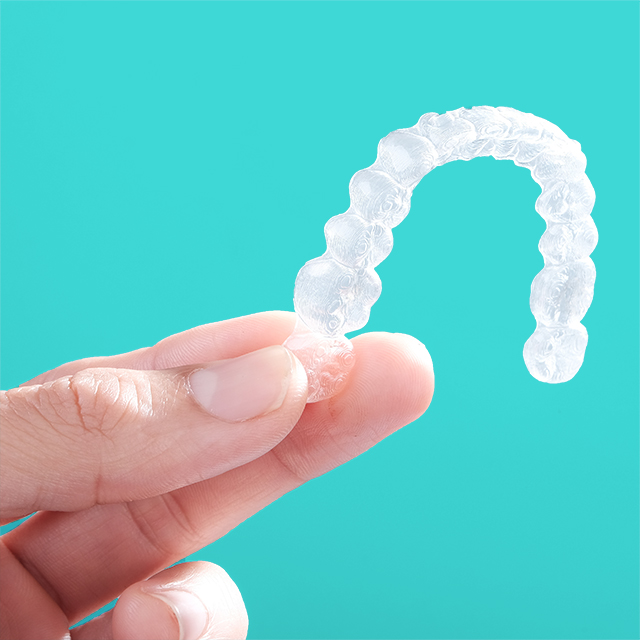
- Invisalign. A series of custom clear aligners worn about 22 hours a day. Nearly invisible and removable for eating and brushing.
Here’s a quick comparison to help you weigh the options.
| Option | Visibility | Typical Treatment Time | Best For |
|---|---|---|---|
| Metal Braces | Most visible | 18 months to 3 years | Complex cases and bite correction |
| Clear Braces | Low visibility | 18 months to 3 years | Adults who want a subtler look |
| Invisalign | Nearly invisible | 12 to 24 months (varies) | Mild to moderate alignment issues |
At your consultation, Dr. Hsu will look at your bite, talk through your goals and recommend the option that fits your case and your routine. Sometimes the “obvious” choice isn’t the right one, and a conversation with an orthodontist clears that up quickly.
Some dental insurance plans include an orthodontic benefit for adults, and flexible payment plans can make treatment easier to fit into your life. Our team can walk you through both.
Who’s a Good Candidate for Adult Braces?
Most healthy adults are good candidates. The basics are healthy teeth, healthy gums and enough bone to support tooth movement. A few conditions need extra planning before or during treatment.
- Active gum disease. It needs to be treated and stable before braces go on, since moving teeth in inflamed gums can cause damage.
- Significant bone loss. Teeth need bone support to move safely, so major loss may limit your options.
- Untreated decay. Cavities and other problems should be taken care of first.
- Osteoporosis or uncontrolled diabetes. Both can affect how bone remodels and heals. Your orthodontist may coordinate with your physician to adjust the plan.
- Smoking or heavy grinding. Neither rules you out, but you may need a night guard or closer monitoring.
Before recommending anything, Dr. Hsu reviews your medical and dental history, takes X-rays and examines your mouth. If something needs attention first, you’ll leave with a clear plan for getting there. Most adults who assume they can’t get braces find out they can.
Frequently Asked Questions About Adult Braces
Is there an age limit for getting braces?
No. There’s no upper age limit for healthy adults. Teeth keep responding to pressure throughout life, so what matters is the condition of your teeth, gums and jawbone, not the year on your driver’s license.
What disqualifies you from getting braces?
The main roadblocks are active gum disease, severe bone loss around the teeth and major untreated decay. These need to be treated and stable first. Once your mouth is healthy, braces are usually back on the table.
Will people notice my braces at work?
Not necessarily. Clear braces blend in with your teeth, and Invisalign aligners are nearly invisible and come out for meals. Many adults go through treatment without most coworkers ever noticing.
Are adult braces painful?
Most people feel mild soreness for a few days after braces go on and after adjustments. Soft foods and over-the-counter pain relievers usually handle it, and most people settle in within the first week or two.
How long do adult braces take?
Many adults finish in 18 months to 3 years. Simpler cases, especially with Invisalign, can wrap up in about a year, while more complex bite corrections take longer. You’ll get a specific timeline after your exam.
If you’ve been wondering whether it’s too late to straighten your smile, the answer is almost certainly no. Dr. Bryan Hsu and the team at Smile Makers Orthodontics in Rockwall, TX are ready to walk you through your options and build a plan around your goals. Schedule your free consultation to see what’s possible.