
What Is Family Orthodontic Care?
Family orthodontic care means straightening teeth and correcting bites for patients of all ages, from young kids to parents and grandparents, all in one office. Instead of sending one child to one practice and booking your own treatment somewhere else, the whole household works with the same orthodontist and the same team.
Orthodontics corrects crowding, spacing, overbites, underbites and other bite problems. At Smile Makers Orthodontics, Dr. Bryan Hsu, DDS, MS, a board-certified orthodontist, treats kids, teens and adults with metal braces, clear braces, Invisalign and retainers.
For busy families, one office means fewer trips across town and one team that knows everyone’s history. Whether your 8-year-old needs a first checkup or you’re finally thinking about your own smile, everyone’s progress can be tracked in one place.

How Orthodontic Treatment Works at Every Age
Starting treatment can feel like a big step. The basic path is the same whether the patient is 9 or 49.
- Free consultation. The first visit includes an exam, a look at the bite and a conversation about your goals. No pressure, just information.
- A treatment plan built for the patient. Dr. Hsu reviews the bite, age and lifestyle before recommending an option, and you’ll know the expected timeline before anything starts.
- Braces go on or aligners are delivered. This visit runs a little longer. The team walks you through care instructions, which foods to avoid and how to clean around brackets or aligners.
- Regular check-ins. Short visits every several weeks keep treatment on track, whether that means adjusting braces or making sure aligners are fitting as planned.
- Retainers to protect results. Once teeth reach their final positions, a retainer holds them there. Wearing it as directed is what keeps a straight smile straight.
Treatment can take a few months for minor corrections or two years or more for complex cases. Each plan comes with a realistic estimate based on that patient’s needs.
Why Choose a Family Orthodontist?
- One office for everyone. Siblings, parents and grandparents can all be seen in the same place, which means fewer calendars to juggle.
- Every option under one roof. Metal braces, clear braces, Invisalign and retainers are all available, so there’s no referral elsewhere if a plan changes.
- Specialist care. An orthodontist completes years of training beyond dental school, focused entirely on moving teeth and guiding bite development.
- A long-term relationship. When your orthodontist already knows your family, it’s easier to spot patterns in bite development and plan ahead for younger siblings.
Health Benefits Beyond a Nicer Smile
- Early checkups can make treatment simpler. Catching bite problems early can sometimes guide jaw growth and reduce the need for more involved treatment later.
- Better oral health. Straight teeth are easier to brush and floss, and a balanced bite helps with chewing and jaw comfort over time.
- Confidence at any age. A smile you feel good about shows up in school photos, team pictures, work meetings and everyday moments.
Treatment Options for Every Member of the Family
The right choice depends on the bite, the patient’s age and how much treatment needs to blend in.
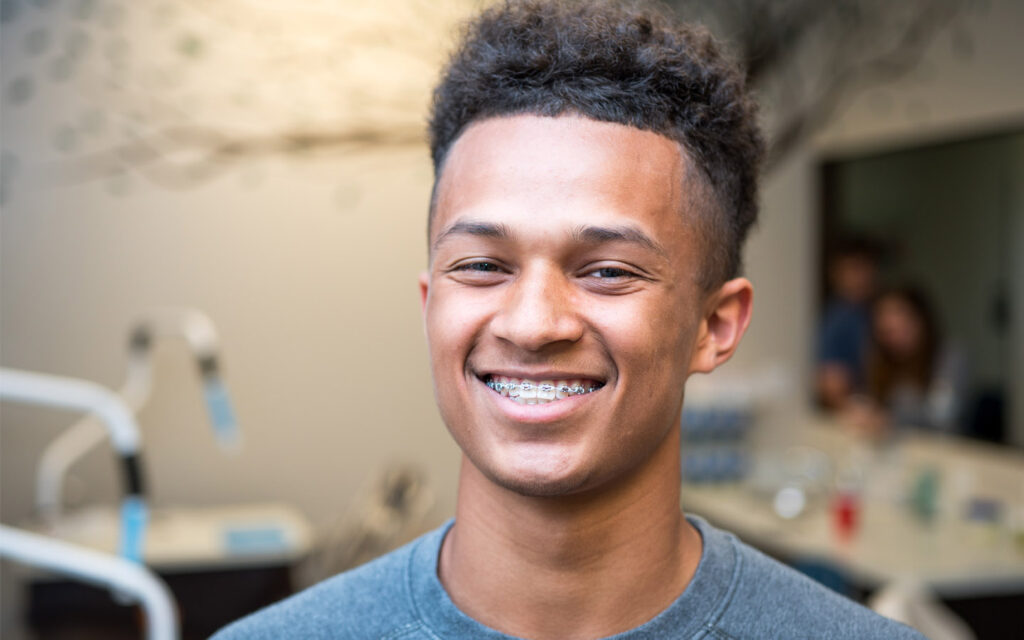
- Metal braces. Durable and effective for complex corrections. They work around the clock since they can’t be taken out, which makes them a common pick for kids and younger teens.
- Clear braces. Tooth-colored brackets that work like metal braces with a lower-profile look. Popular with teens and adults.
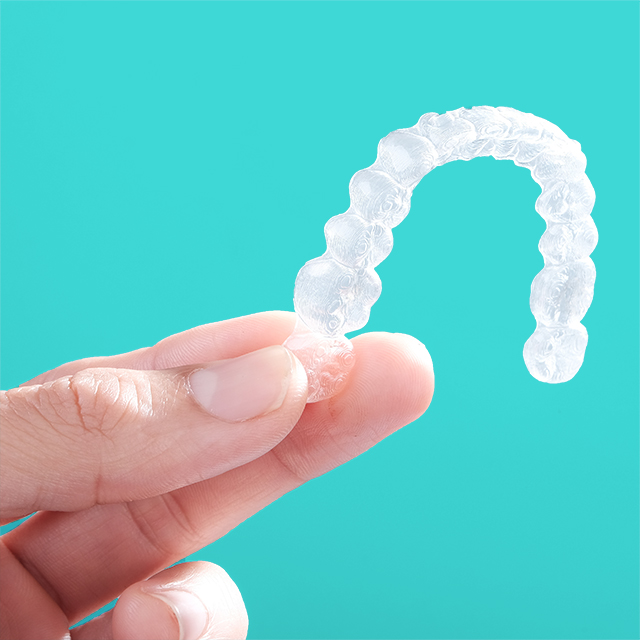
- Invisalign. Clear, removable aligners you take out to eat, brush and floss. They work best for patients who will wear them 20 to 22 hours a day.
If you’re deciding between braces and aligners for yourself or your teen, our guide on choosing between clear aligners and braces walks through the tradeoffs in more detail.
Some dental insurance plans include an orthodontic benefit, and our team can walk you through payment options during your consultation.
Orthodontic Care by Age
Orthodontic treatment isn’t just for teens. Here’s what each stage usually looks like.
Children (Ages 7 to 10)
The American Association of Orthodontists recommends a first orthodontic checkup by age 7. Most kids won’t need treatment yet, but an early visit can catch problems while they’re easier to address. Signs worth a look include losing baby teeth very early or late, mouth breathing, thumb sucking past age 5, crowding or a visible overbite or underbite.
Preteens and Teens
Most teens are ready for full treatment once their permanent teeth have come in, usually somewhere between 11 and 15. Metal braces, clear braces and Invisalign are all good fits depending on the teen’s habits and personality.
Adults
It’s never too late. Many adults choose clear braces or Invisalign because they fit a professional life. Treatment can fix long-standing concerns or shifting that happened years after earlier braces. If you’re weighing it for yourself, our post on braces for adults covers what’s different about treatment later in life.
Special Cases
Some patients need appliances like a palatal expander or a space maintainer, either before braces or alongside them. These tools handle specific problems such as a narrow upper jaw or saving room for an adult tooth.
Frequently Asked Questions
Can parents and kids see the same orthodontist?
Yes. Orthodontists are trained to treat patients of every age, so a parent and child can both be in treatment at the same office. At Smile Makers Orthodontics, Dr. Hsu treats kids, teens and adults.
How long does orthodontic treatment usually take?
Most treatment lasts 12 to 24 months, though simple cases can finish sooner and complex ones can take longer. Your timeline depends on the bite, the option you choose and how closely you follow care instructions.
Are consultations free?
Yes. Smile Makers Orthodontics offers free consultations for kids, teens and adults, plus a free virtual consult if you’d like to start from home. There’s no pressure to commit to anything.
Do kids and adults get the same kinds of braces?
Mostly, yes. Metal braces, clear braces and Invisalign are options at almost any age. The best fit depends on the bite, how visible you want treatment to be and how well the patient will keep up with aligner wear.
How often will we need to come in?
After braces go on or aligners start, most patients come in for short check-ins every several weeks. Visits are quick, and the team keeps everyone’s treatment on track.
Whether it’s your child’s first checkup or your own long-overdue smile, Dr. Bryan Hsu and the team at Smile Makers Orthodontics in Rockwall, TX can care for the whole family. Schedule a free consultation to get started.